Cargo Tracking: Destination Optimization Strategy
In logistics, visibility is everything. You cannot manage what you cannot see. Modern supply chains rely on advanced telematics to track a container from a factory in Shenzhen to a doorstep in New York. If a shipment is delayed or diverted, the system alerts the manager instantly. In financial strategy, Cargo Tracking is your performance analytics.
We have already discussed Capital Logistics (Supply Chain) and Risk Containerization (Loading). Now, we focus on the journey. This guide explores how to monitor your capital in transit, optimize its route in real-time, and ensure it reaches its final destination: Realized Profit.
1. Telemetry: The Dashboard of Truth
A logistics manager doesn’t guess where the trucks are; they look at the GPS. Yet, many investors gamble without tracking their “win-rate” or “ROI per session.” They fly blind.
Key Performance Indicators (KPIs) for Capital:
- ETA (Estimated Time of Arrival): How long will your capital be tied up? In a trade, this is your time horizon.
- Fuel Consumption: How much are you paying in fees (gas) to move this money? High fees erode margins.
- Cargo Integrity: Is your principal safe? Or is it leaking value due to inflation or market dips?
Platforms like FreightWaves provide data for global trade. You must build your own dashboard—a simple spreadsheet or software that logs every transaction. Data removes emotion from the equation.
2. Route Optimization: Dynamic Re-routing
If a storm hits the Atlantic, ships re-route. If a road is closed, trucks take a detour. In strategy, you must be dynamic.
The Pivot:
If a specific market (e.g., Crypto) becomes too volatile (stormy), do not sail straight into it. Re-route your liquidity to safer harbors (Stablecoins, Cash).
Deadhead Miles:
In trucking, “deadhead” is driving with an empty trailer. It costs money but earns nothing. In investing, this is Lazy Capital—money sitting in a zero-interest account. Always ensure your capital is carrying a load (earning yield), even if it’s just a small baseline return.
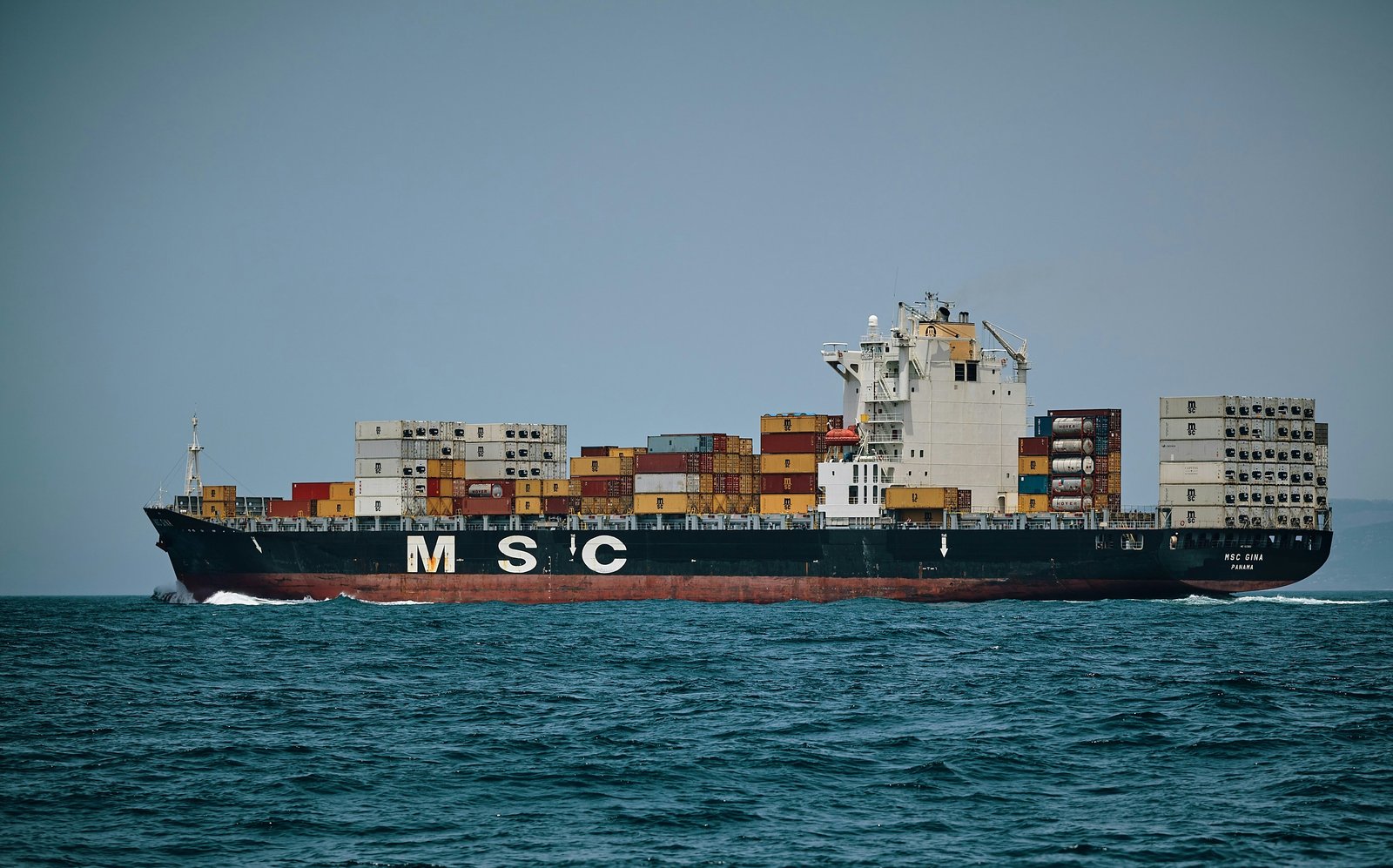
Optimizing the network path reduces latency and transaction costs.
3. The Last Mile Problem: Profit Realization
The “Last Mile” is the most expensive part of shipping. It is getting the package from the local depot to the customer’s door. In finance, this is Taking Profit.
It is easy to buy (load). It is hard to sell (deliver).
The Delivery Failure:
Many investors ride a stock up 200% and then ride it all the way back down to -50%. They failed the Last Mile. They never signed for the package (sold).
Protocol: Set a delivery address (Profit Target) before you launch. When the cargo arrives, offload it. Do not drive around the block hoping the price goes higher.
4. Reverse Logistics: Handling Losses
Returns are a part of business. Sometimes goods are damaged. In strategy, Losses are inevitable.
Reverse Logistics Strategy:
How do you handle a loss? Do you let it clog up your warehouse (holding a losing bag forever)? Or do you process the return efficiently?
- Write-Off: Accept the loss quickly. Scrapping damaged inventory clears space for profitable goods.
- Recycling: Can you salvage any value? Can you learn from the bad trade to improve future routes?
According to Investopedia, managing slippage and losses is crucial for net profitability. Do not let a bad shipment define your business.
5. Proof of Delivery (POD): The Withdrawal
A shipment isn’t complete until the POD is signed. In gaming and trading, the game isn’t over until the Withdrawal Hits Your Bank Account.
Numbers on a screen are just pixels. They are “Virtual Cargo.” Until you initiate a withdrawal and see the funds in your fiat account, you have not realized the gain.
Regular Offloading:
Don’t let your balance grow indefinitely on a platform. Offload your profits to cold storage or your bank weekly. This reduces counterparty risk and secures your “Proof of Delivery.”
Conclusion: The Efficient Operator
Wealth is not a destination; it is a logistical operation. It requires constant tracking, optimization, and the discipline to execute the Last Mile.
At LottShip Logistics, we engineer the flow of value. By treating your capital like high-value cargo, you ensure that it doesn’t just travel—it arrives.
Disclaimer: The content provided on LottShip Logistics is for educational purposes only.