Risk Containerization: Portfolio Loading Strategy
Before 1956, loading a ship was a chaotic, manual process known as “break-bulk.” Goods were damaged, stolen, or lost in the hold. Then came the standard ISO Shipping Container, and the world changed. Standardization brought efficiency, security, and scalability. In the financial world, many investors still operate in the “break-bulk” era, tossing assets randomly into their portfolio.
Building on our previous analysis of Capital Logistics, this report introduces the concept of Risk Containerization. By compartmentalizing your capital into sealed, standardized units, you prevent cross-contamination. If one container (asset class) catches fire (crashes), it does not burn down the entire ship (portfolio).
1. The TEU Standard: Unitizing Your Bets
In logistics, capacity is measured in TEU (Twenty-foot Equivalent Unit). Every slot on a ship is designed for this standard. In strategy, you need a Standard Betting Unit.
The Problem of Irregular Cargo:
Amateur investors bet $50 on one hand, $500 on the next, and $10 on the third based on “gut feeling.” This irregular cargo is impossible to stack safely. It shifts during transit (volatility) and capsizes the vessel.
The Solution:
Adopt a fixed unit size (e.g., 1% of bankroll). Whether you are trading forex or playing poker, your exposure should be modular. This allows for predictable “stacking” of risk and easier calculation of total load.
2. Hazardous Materials (HazMat): Handling High Volatility
Dangerous goods—explosives, flammables, corrosives—require special handling. They are stored in designated zones, far from the crew quarters and engine room.
In your portfolio, High-Leverage Trades and Speculative Assets are your HazMat cargo.
- Segregation: Never mix HazMat funds with your “Safe Stowage” (rent money/savings). Use separate wallets or accounts. A leak in a crypto margin account should never corrode your life savings.
- Labeling: Clearly identify these assets as “Loss Potential: 100%.” According to the IMDG Code (International Maritime Dangerous Goods), correct labeling prevents mishandling during an emergency.
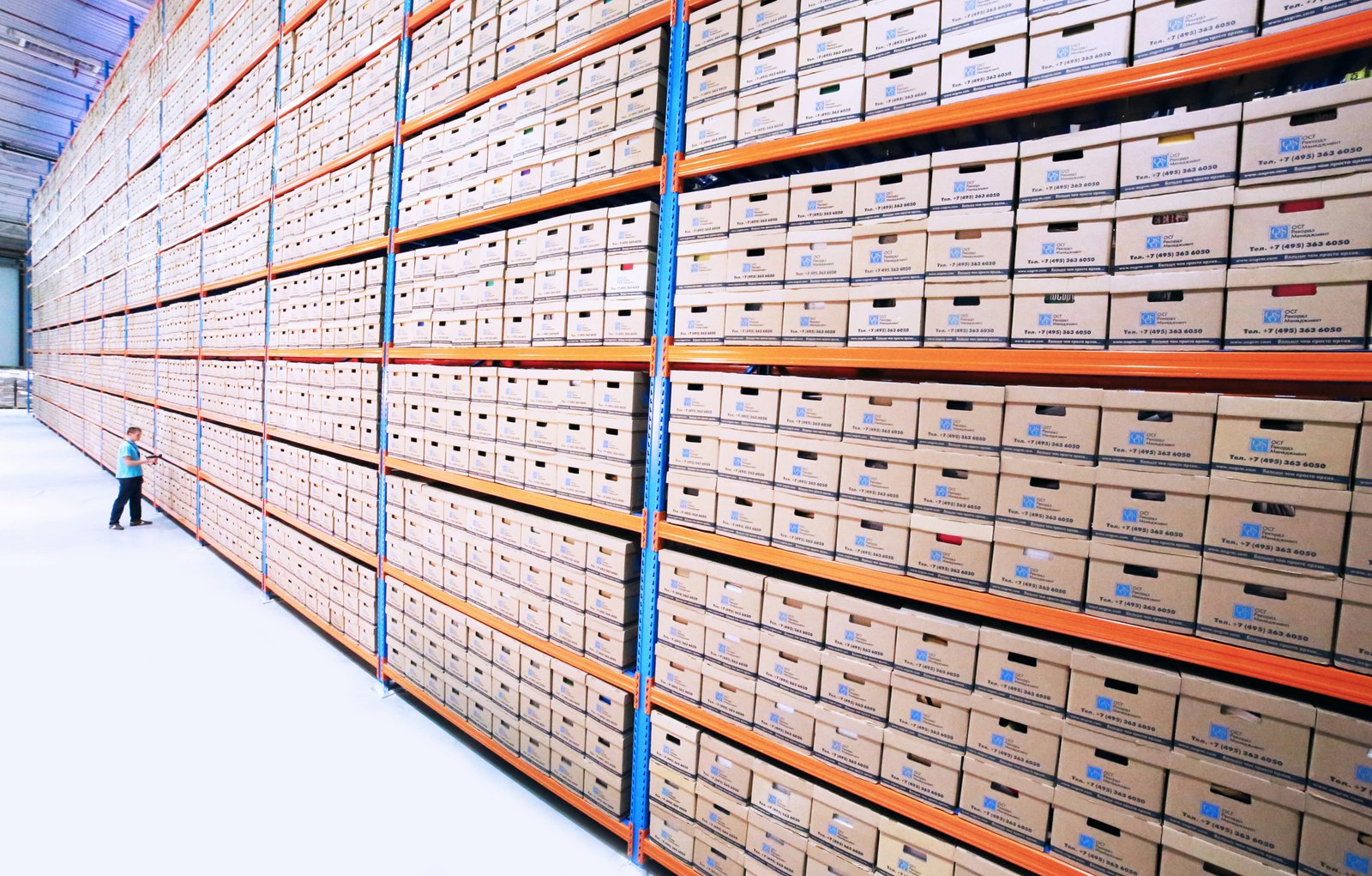
Precision loading equipment ensures dangerous cargo is handled with care.
3. Weight Distribution: The SOLAS Convention
A ship must be balanced. If you load all heavy containers on the port side, the ship lists. If you load them too high, the center of gravity rises, and the ship capsizes in rough seas.
Portfolio Ballasting:
Your “Heavy” containers are your stable, low-volatility assets (Cash, Bonds, Blue Chips). Your “Light” containers are high-volatility assets.
The Stacking Rule:
Always load heavy containers at the bottom (Foundation). Load light containers on top (Growth). Many investors invert this pyramid, building a top-heavy portfolio supported by a tiny base of cash. When the market waves hit, the structure collapses. Adhere to strict weight distribution protocols to maintain seaworthiness.
4. Reefer Containers: Managing “Perishable” Opportunities
Refrigerated (Reefer) containers carry perishable goods like fruit or pharmaceuticals. They require active power monitoring. If the power cuts, the cargo spoils within hours.
In strategy, Time-Sensitive Trades (Options near expiry, Tournament buy-ins) are Reefer cargo.
They cannot be “set and forgotten.” They require active management and monitoring. Do not load more Reefer containers than you have power points (attention span/time) to monitor. Overloading your schedule with time-critical decisions leads to spoilage (missed exits).
5. The Bill of Lading: Audit Your Manifest
The Bill of Lading is the legal document detailing what is on the ship. A discrepancy between the manifest and the actual cargo leads to customs seizure.
The Self-Audit:
Do you know exactly what is in your portfolio right now?
- Hidden Fees: Are you tracking the “stowage costs” (swap fees, funding rates)?
- Phantom Assets: Are you counting “unrealized gains” as real inventory? Until you offload (sell), it is just cargo on the water, subject to storms.
Organizations like the World Shipping Council emphasize transparency. Regularly audit your positions. Ensure your perceived risk matches your actual exposure.
Conclusion: Secure for Sea
The ocean of the market is unforgiving. It does not care about your intentions; it tests your structural integrity. By adopting Risk Containerization, you turn a chaotic pile of bets into a streamlined, secure logistics operation.
At LottShip Logistics, we don’t just move capital; we engineer its safe arrival. Secure your cargo, check your lashings, and prepare for departure.
Disclaimer: The content provided on LottShip Logistics is for educational purposes only. Investing involves risk of loss.